Reputable information sources

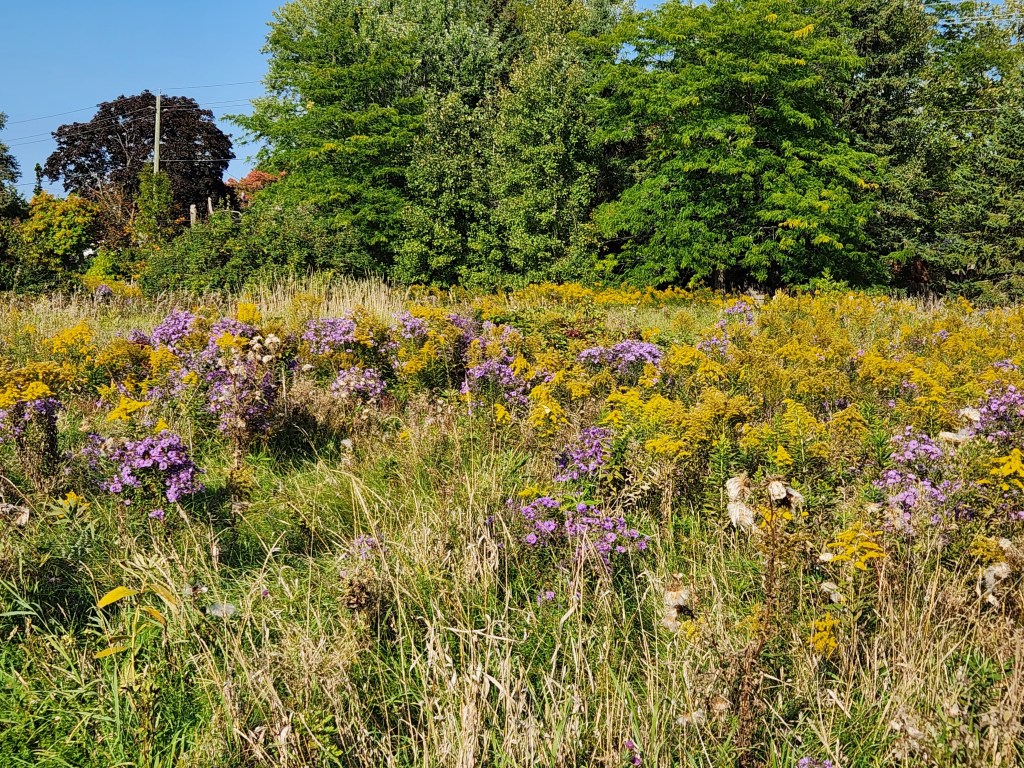
landscape shot of purple New England Asters and bright yellow Goldenrod.

How we choose our reputable information sources

When conducting research for a project or suggesting an information source to others, MAPP relies on the following sources:

  • Science/Research-Based Facts
  • Peer Reviewed Articles
  • Authoritative Books and Websites
  • Local Activists/Initiatives

How to know if a plant is native

Ontario Information Sources

Ottawa Wildflower Seed Library

A grassroots organization focused on fostering Indigenous reconciliation, addressing climate
change and empowering women through the collecting, sharing and growing of native plants.

The Corner Pollinator Garden and Wildlife Habitat

The Corner Pollinator Garden and Wildlife Habitat is a blog run by Berit Erickson who is based
in Ottawa, Ontario. She is a pollinator and habitat gardening enthusiast. Her blog covers many
topics including habitat loss, pollinator food sources, techniques, and more.

Ecology Ottawa

Ecology Ottawa is run by a small team of staff and a volunteer Board of Directors. They advocate
for more vibrant green spaces, stronger action on climate change, heathier watersheds and more.


Blooming Boulevards

Based in Missisauga, Blooming Boulevards is a non-profit that promotes environment
protection and works to create a network of native habitat gardens.


Ontario Invasive Plants

The Ontario Invasive Plant Council is a non-profit organization founded in 2007 who are
focused on creating a provincial response to the growing invasive plant threat.

Canadian Information Sources

David Suzuki Foundation

The David Suzuki Foundation was founded in 1990 and they focus on evidence-based research
to help protect the environment. They run the David Suzuki Butterflyway Project, which has
volunteers helping their community in building native pollinator gardens.

Wilderness Community

The Wilderness Community was founded in 1980 and is a registered non-profit society. They work
to oppose destructive resource extraction projects and help establish new protected areas. They
have participated in successful court actions to defend wild areas and partner with Indigenous communities.

Canadian Coalition for Invasive Plant Regulation

The CCIPR is a large group of individuals focused on trying to create stricter rules in Canada for the
importation and sale of known high-risk plants.

International Information Sources

World Wildlife Federation (WWF)

Easily identifiable through their panda logo, the WWF works in over 100 countries to support communities,
wildlife, and their habitats.

National Park Service

The National Park Service cares for national parks in the USA. They work with volunteers to protect and
conserve these natural habitats help to educate the public.

The Butterfly Lady

The Butterfly Lady is a blog containing science-based articles regarding pollinators and native gardening.

Saving Birds Thru Habitat

Based in the USA, Saving Birds Thru Habitat works to protect and restore vital habitats for North American birds.

Xerces Society for Invertebrate Conservation

The Xerces Society is an international non-profit organization working to protect invertebrates and their
habitats. They conduct research to focus on pollinator conservation, endangered species conservation,
and reducing pesticide use.