Invasive Species

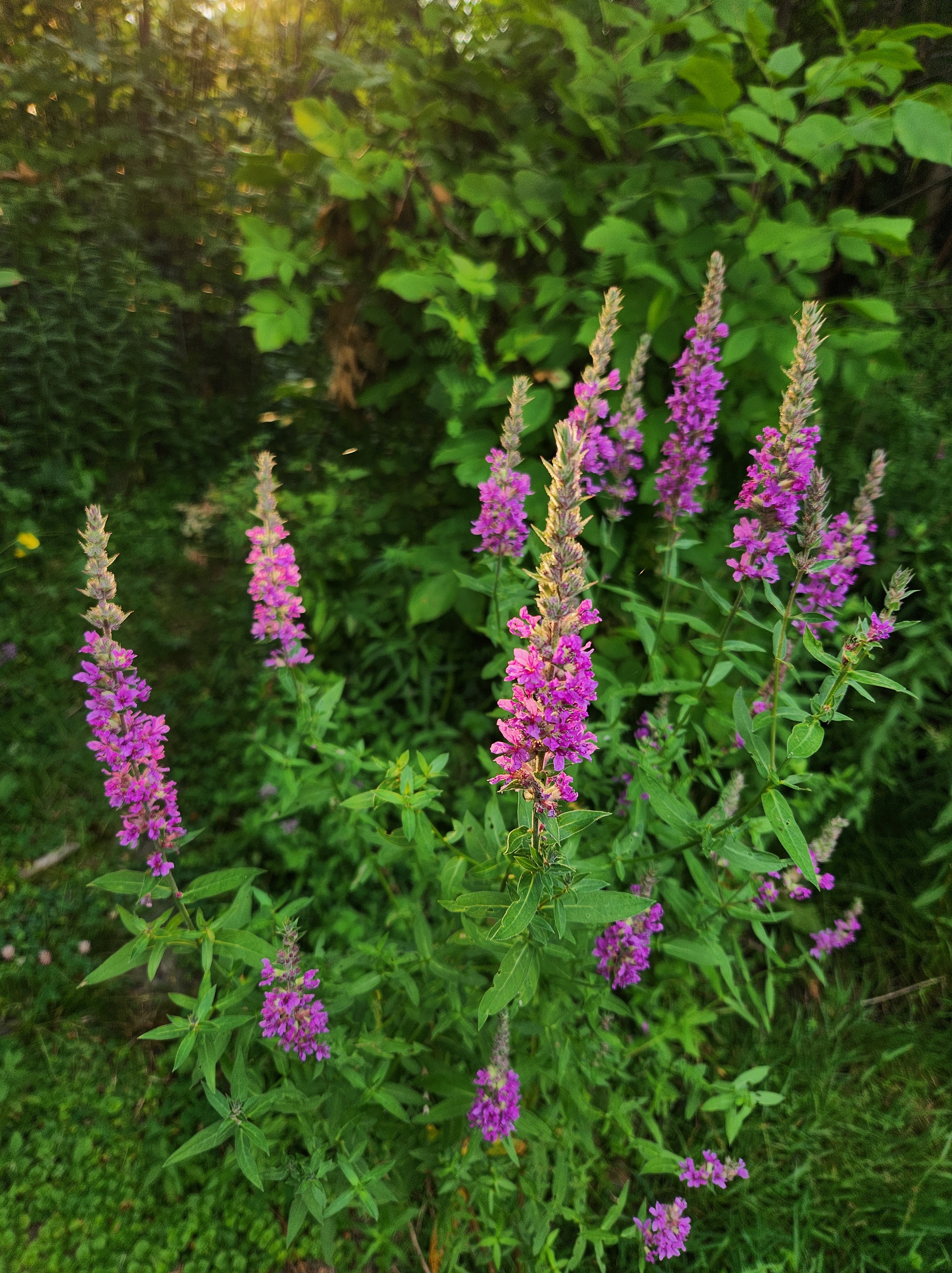
Invasive purple loosestrife flowers.
Invasive Purple Loosestrife (Lythrum salicaria) flowers

What are Invasive Species

According to the Ontario Invasive Plant Council, “Invasive plants are alien species whose introduction or spread negatively impact environment, the economy, and/or society including human health.”

In Ontario, the distribution and sale of invasive species is regulated by the Canadian Food Inspection Agency. Unfortunately, their parameters for invasive species are typically only based on whether the species will harm agricultural efforts or humans. This means there are many invasive species that cause ecological harm that are not controlled. Many invasive species are still being marketed and sold by seed/bulb catalogues and garden centres.

Efforts are being made across Canada by individuals and groups to try to extend the range of what invasive species should be controlled.


Common Invasive Species in Ottawa

We have collected some of our own photos of invasive species in Ottawa. Unfortunately, many of these plants are still sold in seed/bulb catalogues and garden centres.
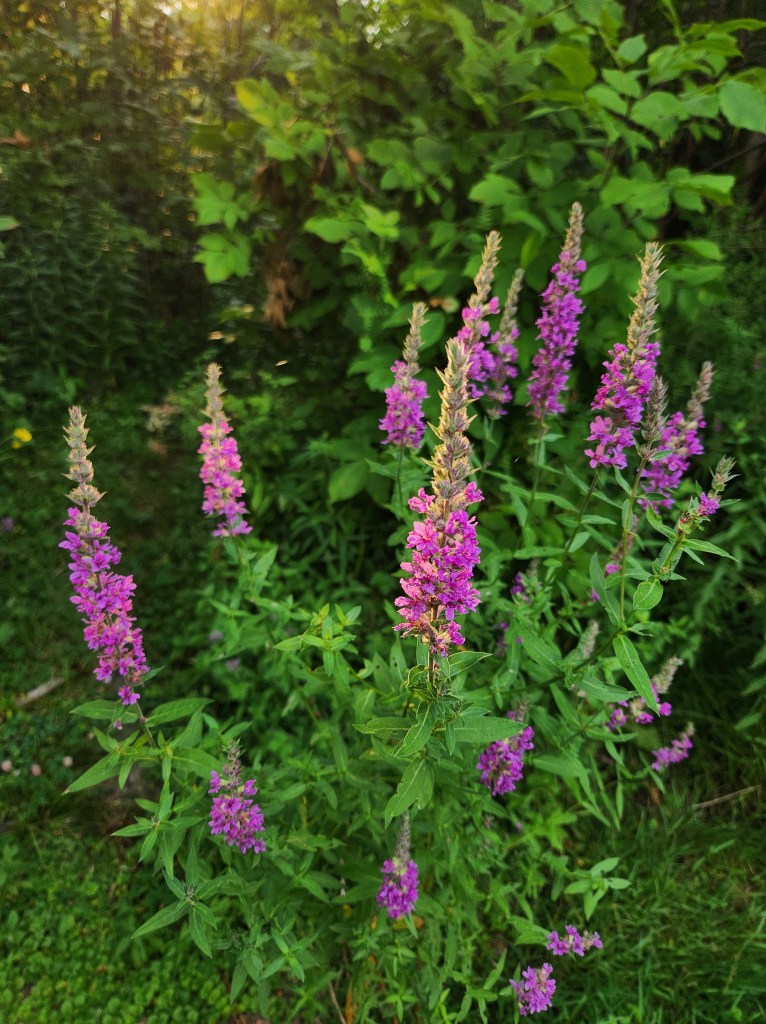
Invasive purple loosestrife flowers.
Purple Loosestrife (Lythrum salicaria). Seen in open fields, along highways, or in the NCC Greenbelt.
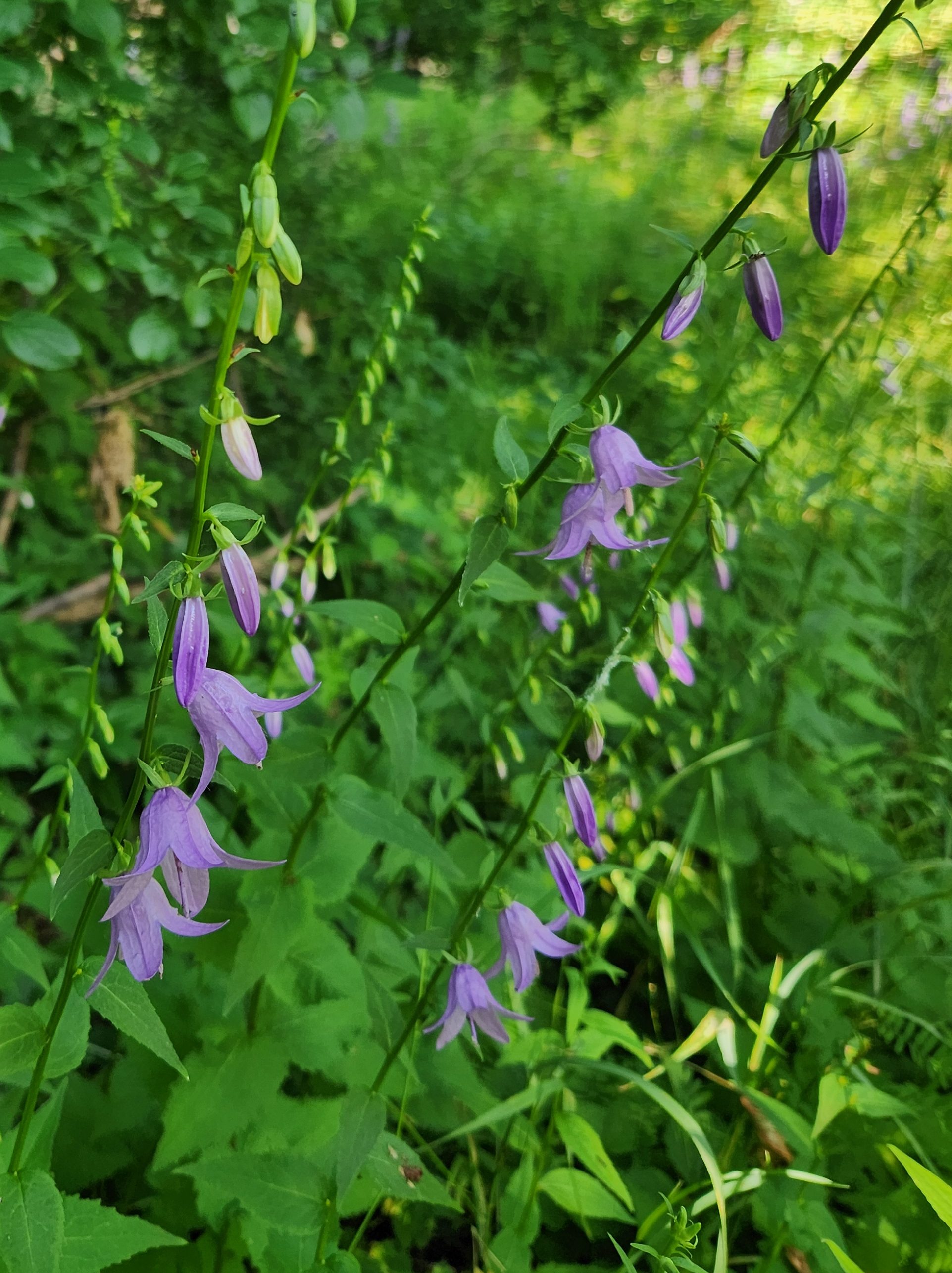
Creeping Bellflowers in the NCC Greenbelt.
Creeping Bellflower (Campanula rapunculoides). Has deeply-buried tubers and spreading roots which make it hard to eradicate.
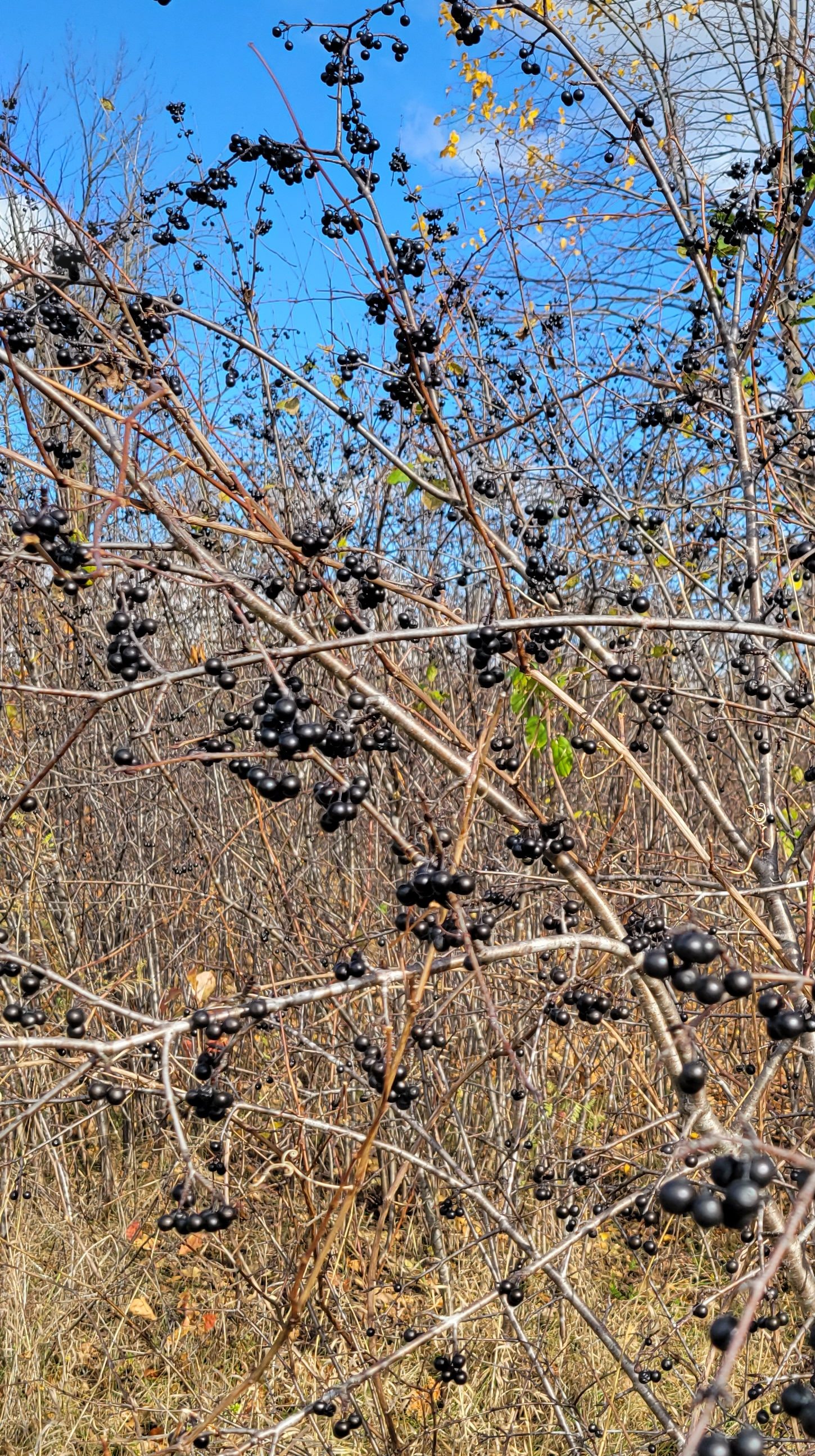
Common buckthorn berries.
Common buckthorn (Rhamnus cathartica) berries. This shrub is seen overtaking fields and forests.
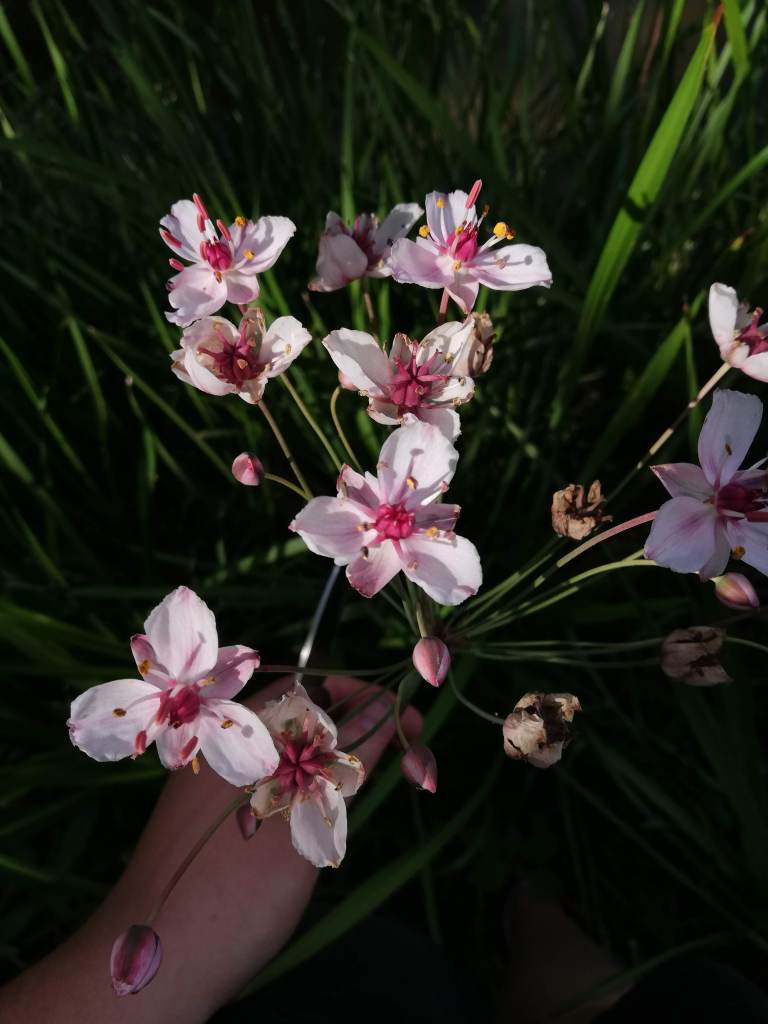
Flowering Rush flowers.
Flowering Rush (Butomus umbellatus). Shows up on the edges of ponds, lakes, and rivers.
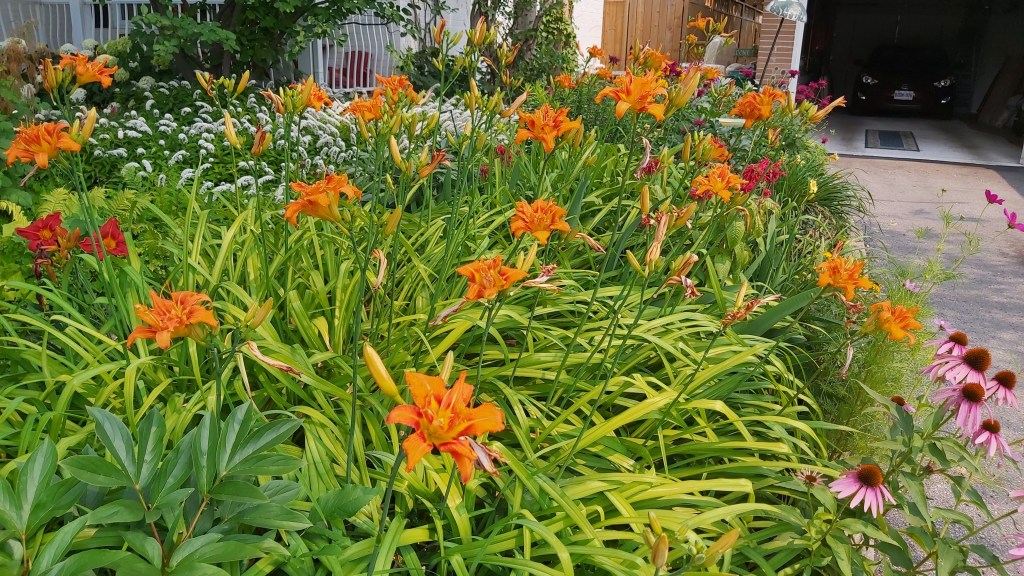
Tiger Lilies
Tiger Lily (Hemerocallis fulva). Sometimes also called Ditch Lilies. These are different than daylilies, and are often still sold in stores.
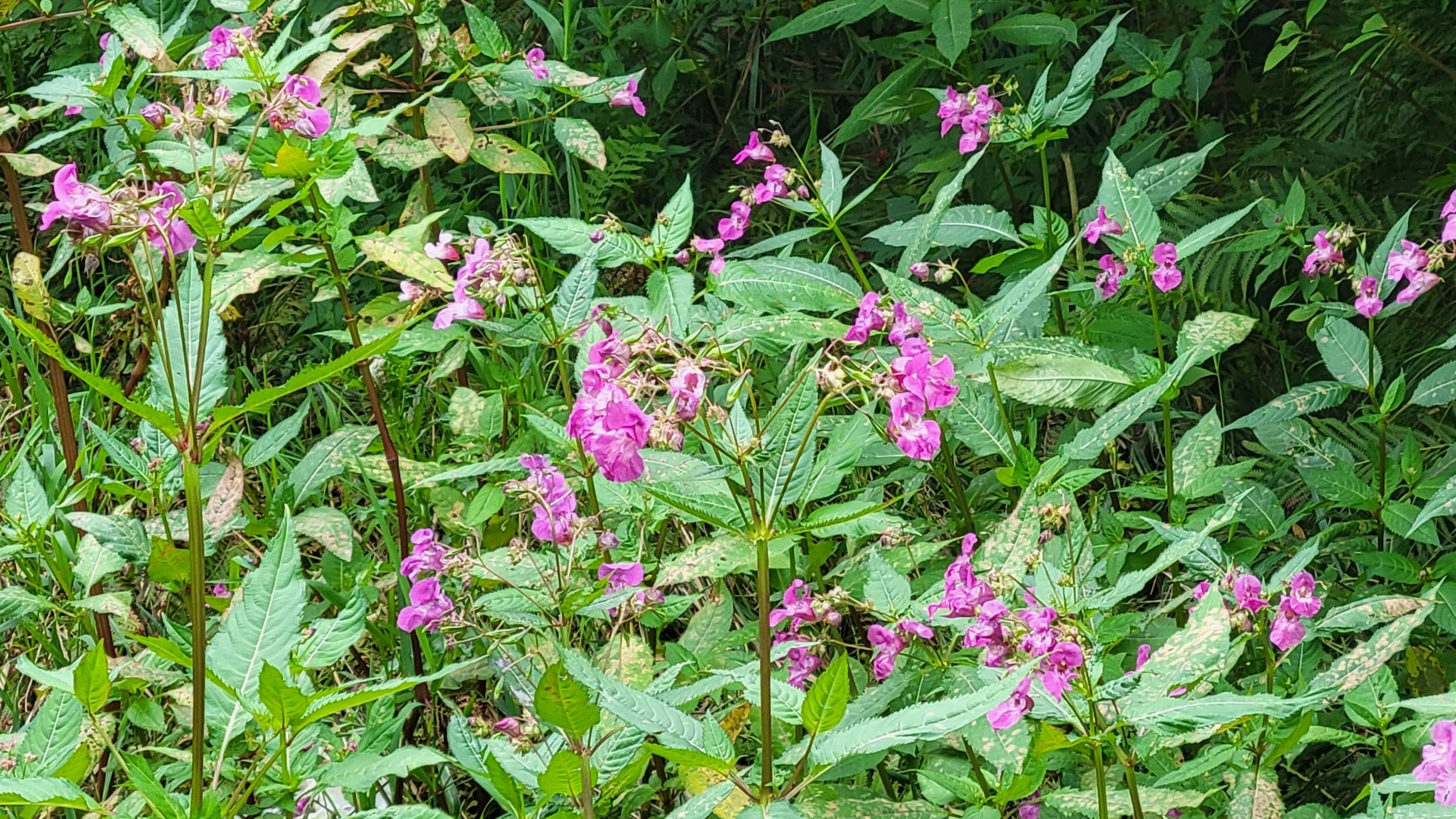
Balsam Impatiens
Balsam Impatiens (Impatiens balsamina). Often seen near storm water collection areas.
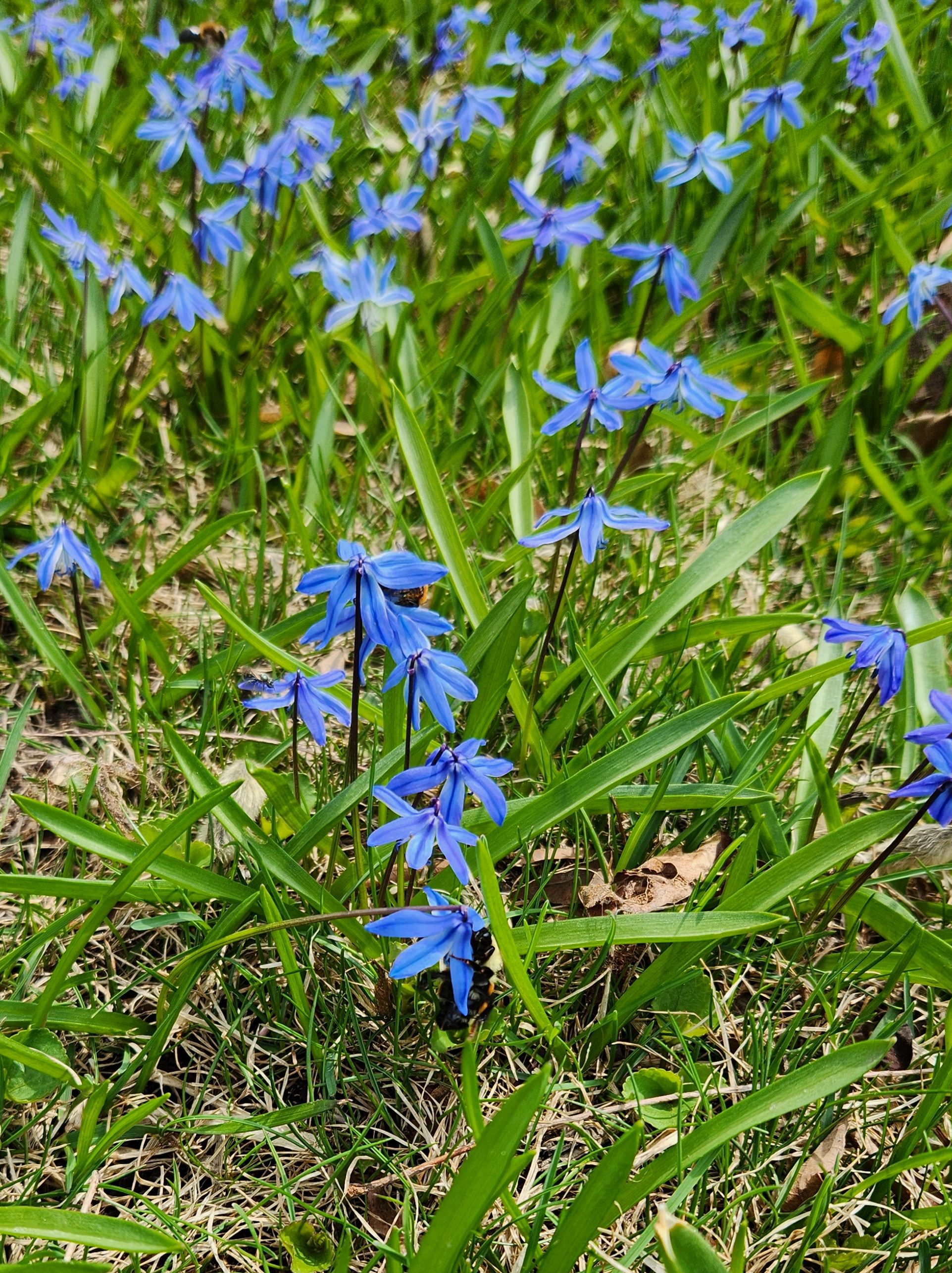
Siberian Squill flowers mixed in with a lawn.
Siberian Squill (Scilla siberica). Still being sold in seed catalogues and is often seen on lawns.
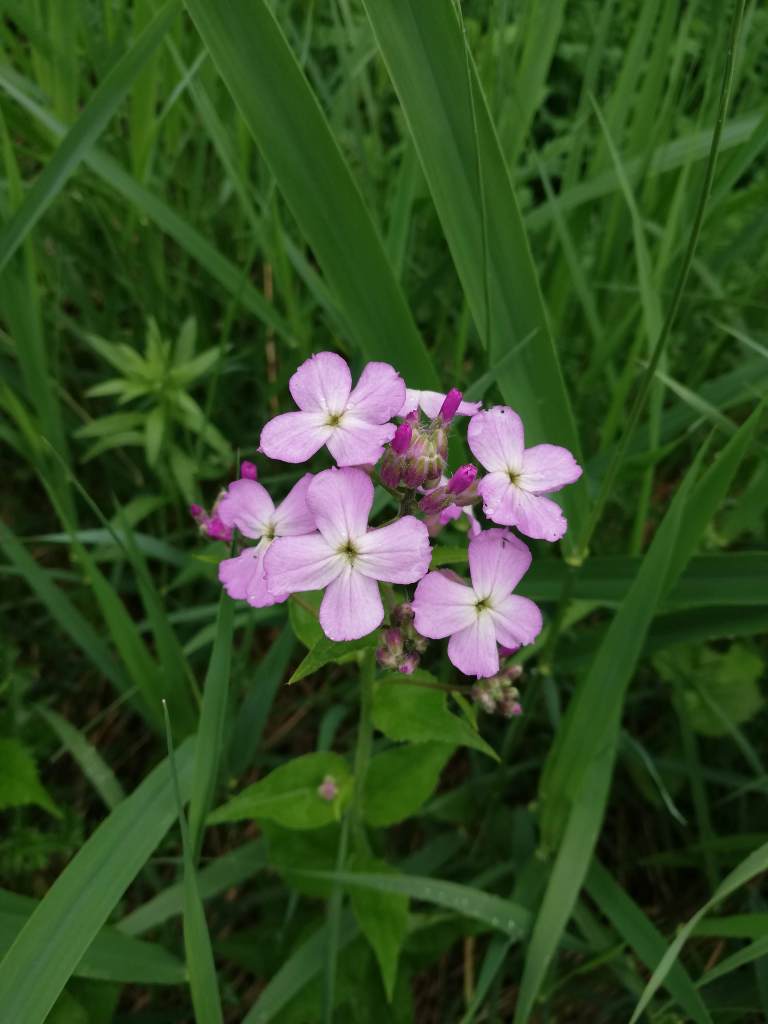
Dame's Rocket Flowers. Has 4 petals.
Dame’s Rocket (Hesperis matronalis). Often confused with the native woodland phlox (Phlox divaricata). Easy to identify with this phrase, which refers to the number of petals: “Four Go To War, Five Let It Thrive”.

Where to learn about Invasive species

There are many good sources of information regarding invasive species, some of which have been listed below.

Invasive Species Centre

A site offering many resources about all kinds of invasive species in Canada.

Ontario Invasive Plant Council

A non-profit organization that works to inform Ontario citizens about invasive species.

Invading Species Awareness Program

A program developed to help spread awareness on invasive species.